

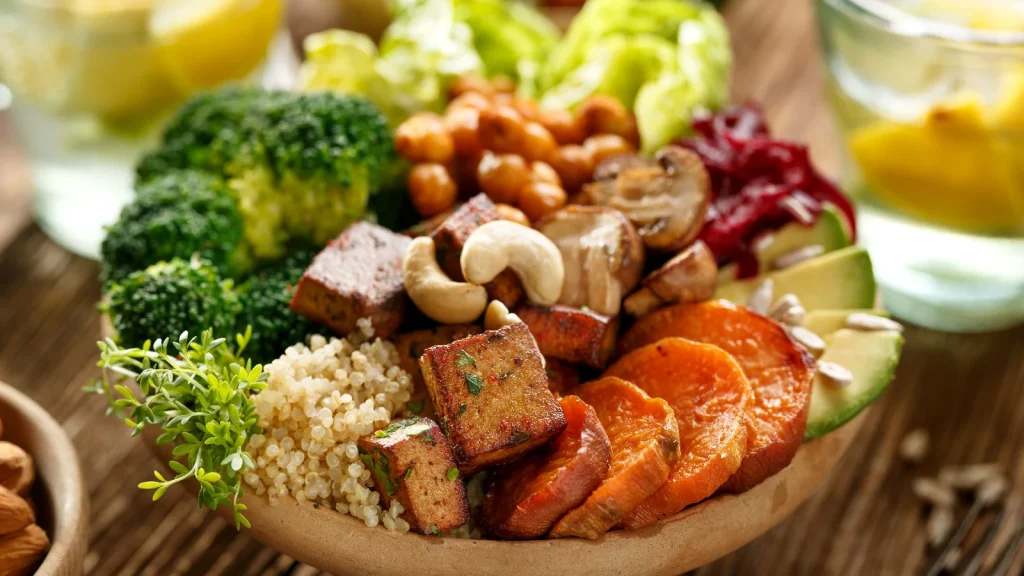
Discover five effective ways for vegetarians to ensure adequate protein intake throughout the day with diverse and balanced meal options.
Protein needs differ from person to person. It depends on factors such as age, weight, activity level, and other health needs. So the question is not just “am I a vegetarian?” Am I getting enough protein in my meals? “A person may have dal for lunch. They start the day with just tea and toast. Then they have a snack that is mostly carbohydrates in the evening. By the end of the day, they may still not be getting protein,” Dt. Archana Batra, Dietitian and Certified Diabetes Educator, tells Health Shots.
What are 5 vegetarian food sources high in protein?
Do not rely on dal for all your protein
Do not rely on a single serving of pulses to meet your protein needs; pair it with chapati or rice to get the full benefit. “I advise people to try different types of pulses and legumes, such as moong, masoor, chana, rajma, lobia, and peas. Don’t eat the same thing every day. I advise people to include pulses in every meal: breakfast, lunch, and dinner,” says the expert.
In the morning, you can eat it as daal cheela; in the evening, a full daal container with chapati or rice and sprouts. Also think about the meal, not just the dal. If you are eating a meal that’s mostly rice, roti, and vegetables, add some dal, chana, or curd to make it more balanced. You can also add pulses to foods like cheela, salads, cutlets, or stuffed parathas. This way, you get protein in different ways.
2. Make your breakfast better before adding supplements
Foods like poha, upma, bread, or paratha can be part of a diet, but if you eat them alone, they don’t have much protein. Instead of replacing these foods, add a protein source. Eat poha with curd or sprouts; have paratha with curd and paneer; or make oats with milk and add seeds or nuts. This is a better way than just taking protein powder. You want to improve your meals, not change your diet.
3. Use foods like paneer, curd, and soy to get protein
For lacto-vegetarians, dairy can be very helpful. Milk, curd, and paneer are rich in protein. For people who do not eat dairy, foods like tofu, soy chunks, tempeh, and other soy products can help meet their protein needs. “My approach is to choose a protein-rich food and then build a meal around it,” says the expert. For example, don’t just have a roti with a little paneer curry. Instead, have paneer and balance it with vegetables and some grain. The USDA also mentions that beans, peas, lentils, nuts, seeds, and soy products are sources of protein. Dairy or fortified soy alternatives can be part of a healthy, protein-rich diet.
4. Do not waste your snack time
Foods like biscuits with tea, fruit alone, or packaged snacks may fill you up. They do not have much protein. You can have curd with fruit, roasted chana with fruit, sprouts with vegetables, hummus with vegetables, or milk with some nuts and seeds. Your snack does not have to be complicated; it just needs to be nutritious.
5. Think about spreading out your protein throughout the day
Don’t eat most of your protein at dinner. Include protein in every meal: breakfast, lunch, dinner, and an evening snack, not only at dinner. This is especially important as we get older because we need to keep our muscles strong. Some people with kidney disease should not increase their protein intake without talking to a doctor or dietitian first.
How do vegetarians get enough daily protein?
The key is to recognize protein foods in your meals and spread them out throughout the day. With this in mind, you can make meals that include a variety of protein sources and are easy to make, culturally familiar, and sustainable. The goal is to make meals that naturally include protein so you don’t have to worry about it.
You may also like


DISCLAIMER: I hereby declare that I do not own the rights to this content. All rights belong to the owner. No Copyright Infringement Intended. If we have any information on our website that may affect your rights, please inform us at info@aihba and we will remove it immediately.


