

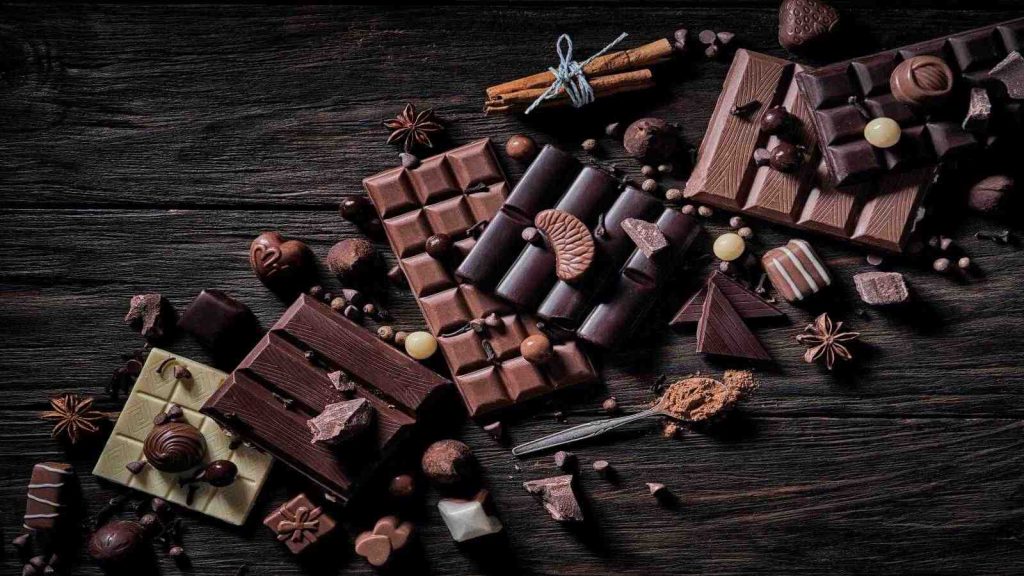
How can you make chocolate a healthier treat for kids? Use smart substitutes, control portion sizes, and choose the right times to enjoy it.
World Chocolate Day 2026: Chocolate carries a reputation it has never entirely earned. The parental dread runs along familiar lines, cavities, the sugar rush that flattens an appetite before dinner, the overtired child who then refuses to settle at night. Almost all of that comes down to sugar, and sugar is added to chocolate during manufacturing. The amount is a commercial decision and varies widely across products. Cocoa, on its own, is a seed with real merit. It carries a little fibre, a group of plant antioxidants called flavanols, and the bitterness that any good bar is built around.
How to give chocolates to kids?
Trouble begins only when sugar is piled on and crowds out the rest. “The sensible task for a parent, then, is a modest one: adjust what gets bought, how much is served, what goes with it, and the hour it appears”, Dr Ravi Malik tells Health Shots.
Swap sugar for cocoa
Turn over a mass-market milk chocolate bar, and sugar frequently outweighs everything else in it. Cocoa, the whole reason the thing exists, can sit third or fourth on the list, behind the sweeteners and milk solids. The fix is unglamorous. Every step up in cocoa does two things at once: less sugar and more flavanols. Taste follows habit here. Give it a month or so, and the sweetness threshold resets, the daily sugar tally comes down, and portions that once seemed stingy start to feel satisfying.
2. Practice purposeful portions
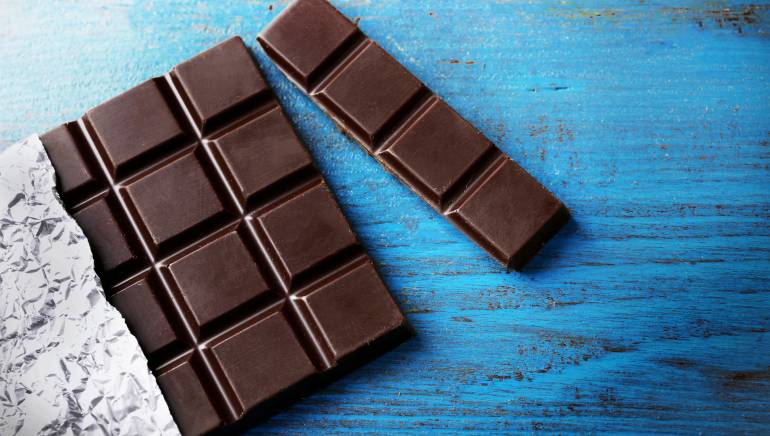
The size of the bar and the satisfaction it delivers are only loosely related. In practical terms, that is close to 3 to 6 teaspoons a day for a young child, 12 to 25 grams, and that ceiling covers everything sweet, not chocolate alone. A single good square or a handful of buttons fits under it, but a full bar blows straight through. There is a technique worth teaching, too: let the square soften and melt on the tongue rather than chew it to bits in seconds. Slower eating stretches the sensory experience, and a smaller amount feels like plenty. Children who grow up eating chocolate this way tend to read their own fullness well. That knack for stopping is worth more, over a lifetime, than any amount of parental rationing.
3. Pair for balance
Sugar on an empty stomach spikes blood glucose, then drops it just as sharply, and the dip is the real culprit behind the crankiness and the instant clamour for more. A bit of whole food alongside changes the entire curve. Fibre, protein, and fat slow stomach emptying, so glucose rises and falls in a gentle arc rather than a sharp peak. Practical pairings are easy enough. A few apple slices or strawberries dragged through melted dark chocolate. Almonds or walnuts are set beside a square. A scatter of chocolate chips folded into plain Greek yoghurt. In each case, the accompaniment flattens the spike, the energy comes out in a steady drip, and the crash that would otherwise send a child back for seconds mostly fails to appear.
4. Master the timing
When chocolate is eaten, the timing also matters almost as much as the amount. Handed over at four in the afternoon, or last thing before bed, it dulls the appetite for the next proper meal and drags at the wind-down toward sleep. The same square, eaten right after a balanced lunch, lands very differently because a stomach already holding protein and slow carbohydrates absorbs the sugar more slowly. Chocolate also contains theobromine and a small dose of caffeine, both mild stimulants, perfectly capable of leaving a young child restless and wakeful if the timing is off. Anchor it to lunch or an early dinner, and it stops competing with sleep and appetite,
The shift is toward attitude-informed guidance rather than blanket restrictions. Treated as an ordinary food, chocolate turns out to be governed by three levers: what it is made of, how much lands on the plate, and when it is eaten. The routines that grow up around those three tend to stick around well past childhood. A child who has learned to sit with a good square of dark chocolate after a meal, unhurried, carries that composure into adulthood. Habits of that sort shape a person’s lifelong footing with food far more than any stern rule about sugar ever manages to.
You may also like


DISCLAIMER: I hereby declare that I do not own the rights to this content. All rights belong to the owner. No Copyright Infringement Intended. If we have any information on our website that may affect your rights, please inform us at info@aihba and we will remove it immediately.


