

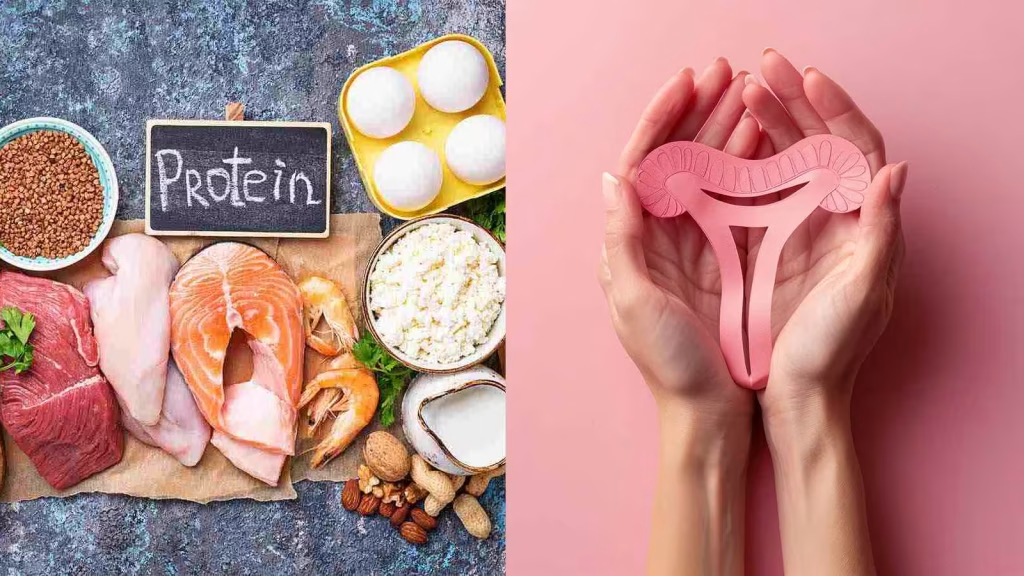
How can nutrition support women with PMOS? Learn about balanced meals and dietary tips to support hormonal health.
When a woman is diagnosed with PMOS, one of the first things she often hears is, “You need to change your diet.” What that actually means can be far less clear. Search online, and you will find lists of foods to avoid, hormone-balancing drinks, strict carbohydrate-free plans, and a long list of supplements. It can all become quite overwhelming. The reality is that there is no single diet that works for every woman with PMOS. Food cannot “cure” the condition. Still, everyday eating habits can play an important role in supporting metabolic health and managing factors associated with hormonal imbalance.
Can I eat roti if I have PMOS?
One misconception that needs to go is that women with PMOS must stop eating carbohydrates. There is no need to fear foods such as rice, roti, potatoes, oats, or fruit. Instead, it helps to look at the whole meal. A roti with dal, vegetables, and curd is nutritionally very different from eating refined carbohydrates on their own. Combining protein, fiber, and carbohydrates can make a meal more balanced and satisfying.
What does it mean to have insulin resistance in women with PMOS?
This matters because some women with PMOS also have insulin resistance. In simple terms, the body does not respond to insulin as efficiently as it should. Over time, this can affect blood sugar regulation and may contribute to difficulties with weight management and other metabolic concerns. Building meals around whole or minimally processed foods, vegetables, pulses, and adequate protein can support better metabolic health.
The Indian kitchen already offers many of these ingredients
A simple lunch of roti, dal, seasonal sabzi, and curd can be a well-rounded meal. If you prefer rice, pair it with sambar or dal, vegetables, and a protein source such as fish, eggs, chicken, paneer, or tofu. Even familiar breakfasts can be balanced: vegetable poha with peanuts, idli with sambar, eggs with vegetables, or unsweetened curd with fruit and a few nuts.
Consistency matters much more
Protein is particularly worth paying attention to. Eggs, fish, chicken, dairy, paneer, tofu, beans, and lentils can help women meet their protein needs and support muscle maintenance. This becomes especially important when weight loss is part of the treatment plan. Losing weight should not mean losing muscle unnecessarily.
2. Fiber
Fiber is another simple addition that is often overlooked. Vegetables, fruits, whole grains, lentils, beans, nuts, and seeds can increase fiber intake while providing a range of essential nutrients. Instead of looking for one exotic ingredient marketed as a “PMOS superfood”, a more sensible approach is to increase the variety of ordinary foods on the plate.
3. Obesity
It is also important to remember that PMOS is not simply a condition of being overweight. Women of different body types can experience it. For women who are overweight, even modest, sustainable weight loss may improve some metabolic and reproductive outcomes. Still, weight should never be the only measure of health. I would also urge women to be careful with restrictive diets and supplements promoted online as “hormone cures”. A supplement may be appropriate when a deficiency or specific medical need has been identified.
4. More is not automatically better
Ultimately, managing PMOS is not about finding a perfect plate. It is about creating eating habits that can survive real life — busy mornings, family meals, festivals, travel, and the occasional dessert. The better question, therefore, is not “What foods should I eliminate because I have PMOS?” It is “How can I make my everyday meals more nourishing and balanced?”
That mindset shift can take food out of the category of restriction and put it where it belongs: as one practical part of long-term hormonal and metabolic health.
You may also like


DISCLAIMER: I hereby declare that I do not own the rights to this content. All rights belong to the owner. No Copyright Infringement Intended. If we have any information on our website that may affect your rights, please inform us at info@aihba and we will remove it immediately.


